CVS Shop Experience

Category
Digital, eCommerce, Product, Strategy, UX, WebAbout This Project
The Setup
135 million people visit CVS.com every month. During the pandemic, that number climbed fast — a drugstore aisle became a browser tab almost overnight, and the traffic followed. Revenue didn’t. Conversion didn’t. The site was absorbing enormous demand and converting a fraction of it. That gap is the whole story. CVS.com/Shop wasn’t broken. It worked. Pages loaded, carts filled, orders shipped. It simply wasn’t built for what CVS was becoming — and the distance between what shoppers experienced and what the business needed to deliver had quietly become the most expensive thing on the site.
The Challenge
Functional. But not a retail engine.
The experience treated everyone identically. A first-time buyer hunting for cough syrup at 11pm and a fifteen-year ExtraCare member managing prescriptions, vitamins, and a kid’s allergy season saw the same page, in the same order, with the same offers. There was no memory. No continuity between the phone in someone’s hand and the store two miles away. No design system underneath any of it — every new initiative meant rebuilding from scratch, and every rebuild pushed the roadmap further out. And the deepest mismatch was in what people came for. CVS’s brand promise is Healthier Happens Together. Shoppers arrived looking for guidance about their health. What they got was a product grid.
The Reframe
CVS asked us to push the status quo, simplify the experience, and open the door to personalization and monetization. The instinct in the room was a homepage redesign. I argued for a different frame: this wasn’t a page problem, it was a platform problem. A prettier homepage would move a metric for a quarter. What CVS needed was infrastructure that got smarter every time someone used it. So we rebuilt the strategy around five interconnected drivers:
Brand purpose — make Healthier Happens Together something the shopper feels, not something they read
Personalization — an experience that learns who someone is and what they’re managing
Omni-channel continuity — one relationship across the app, the site, and the store on the corner
Merchandising — curation and guidance in place of endless grids
Mobile-first functionality — because that’s where the 135 million actually are
The test for every decision became simple: does this help the platform grow more useful over time, or does it just help this page look better today?
What I Led
Scope was the adversary: 30,000+ pages and 87 modules, in six months. The team was structured to move at that scale — strategy, content, retail media, analytics, and engineering working as one unit rather than a relay race of handoffs. Design ops carried more weight than usual, because the only way to redesign thirty thousand pages in half a year is to stop designing pages and start designing a system that generates them. That meant making the hard calls early: what becomes a component, what stays bespoke, what gets cut entirely. Simplification wasn’t a style choice. It was the mechanism that made the timeline possible.
What We Delivered
A modern commerce platform built for personalization, retail media, and omnichannel integration
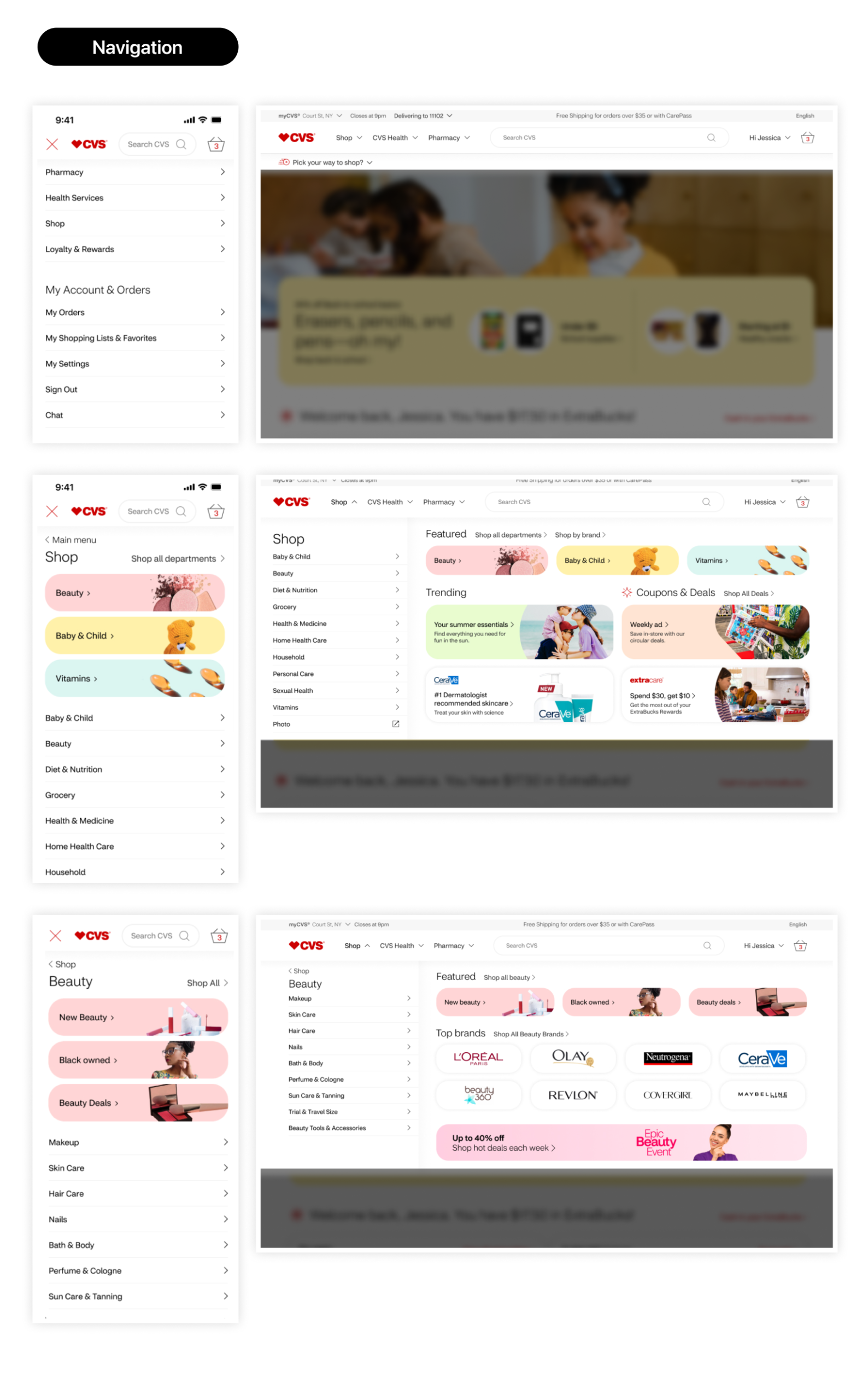
An immersive, intent-driven search experience
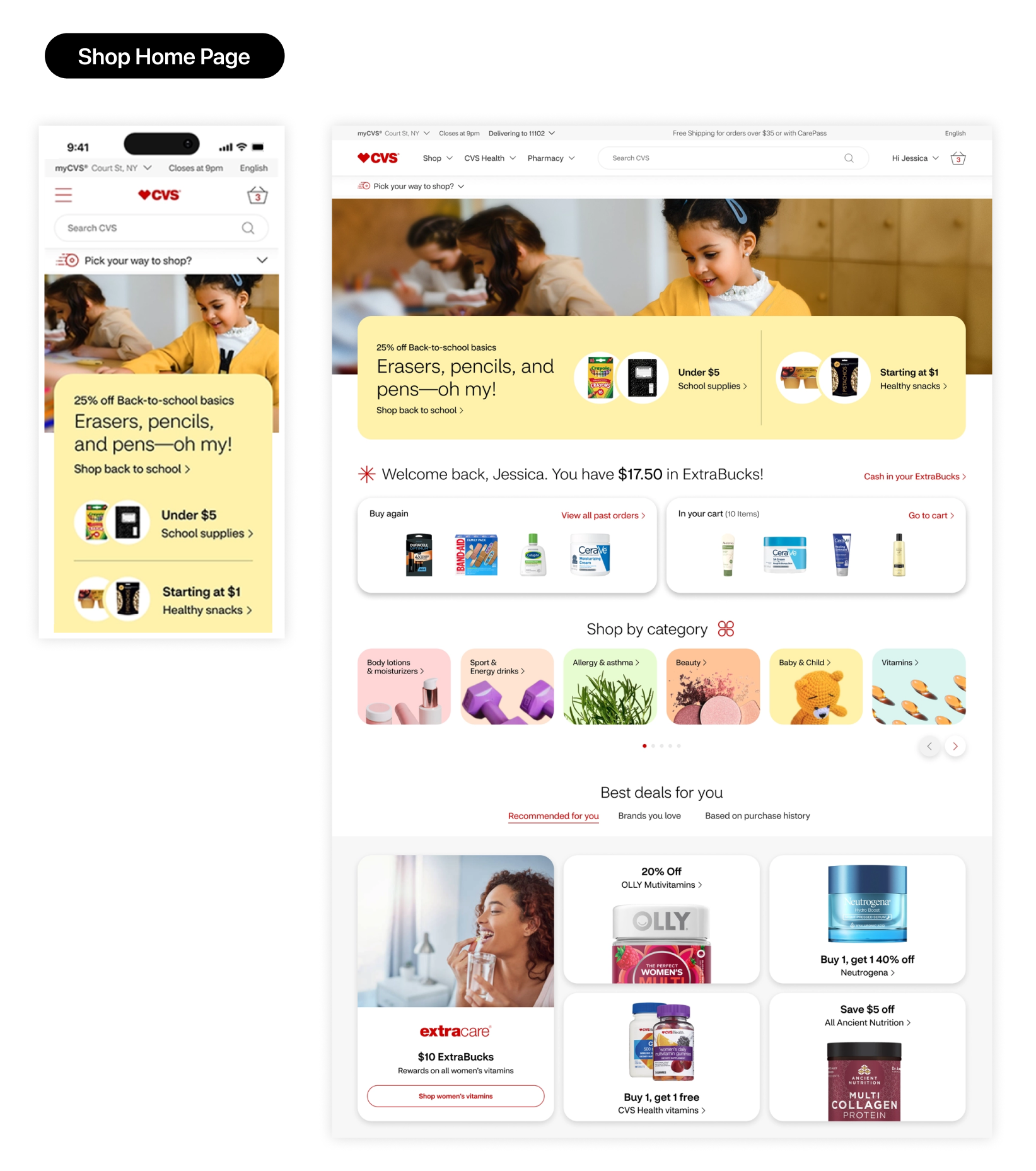
Personalized dashboards for known and loyalty users
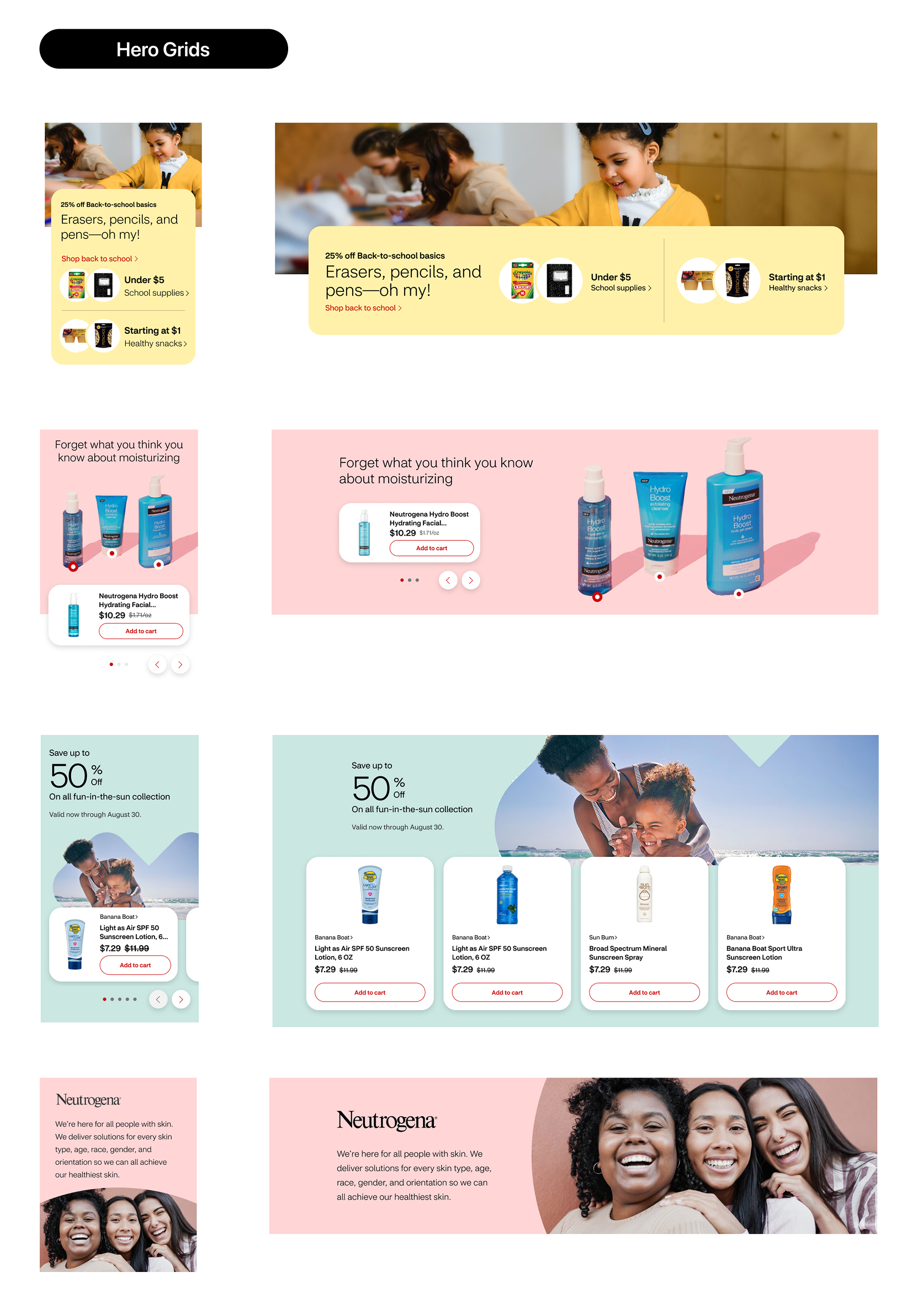
Contextual promotions, bundles, and behavioral recommendations
A location-aware “In Your Neighborhood” service layer
A modern, simplified checkout flow
A responsive system engineered to scale with the CVS roadmap
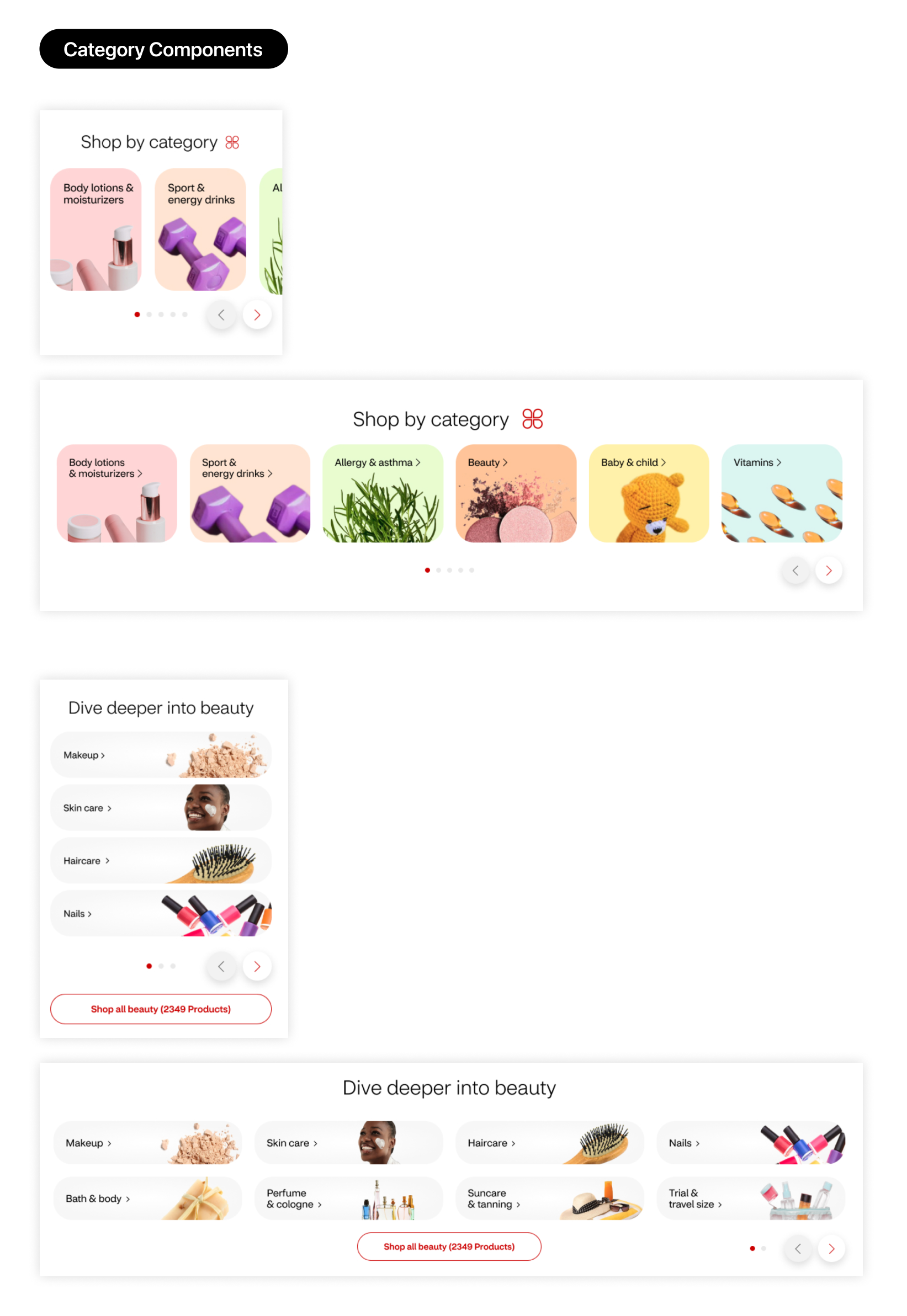
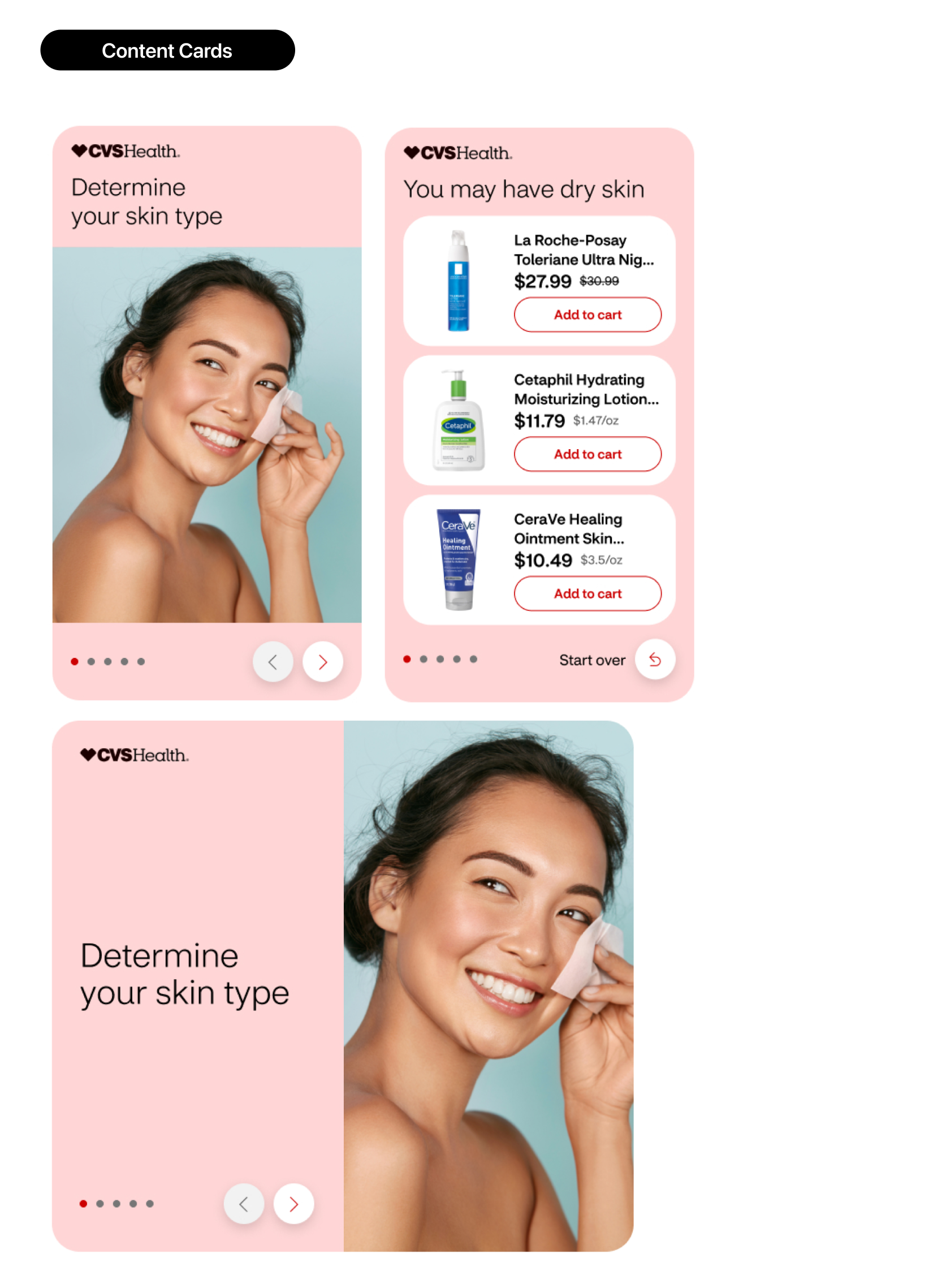
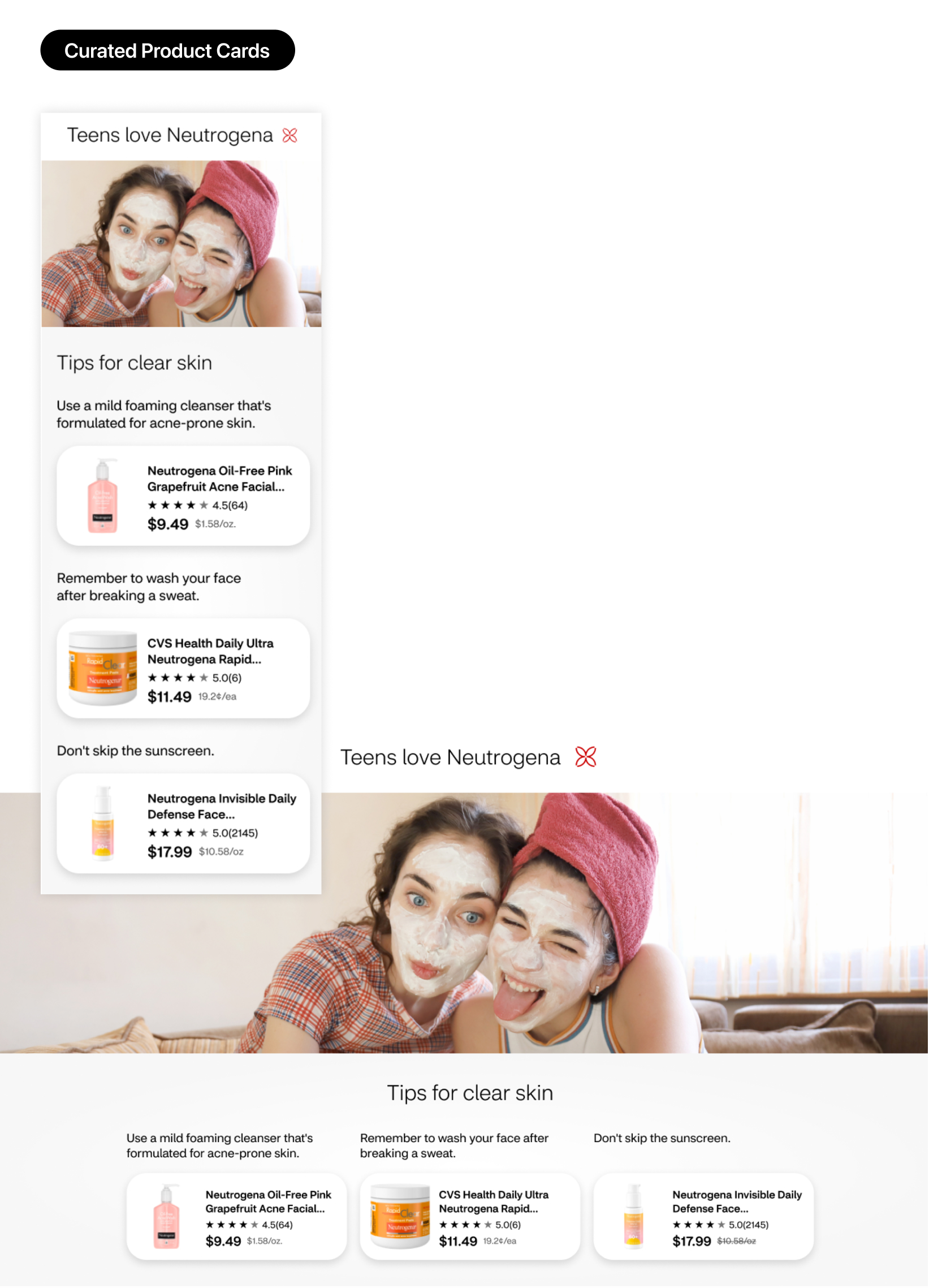
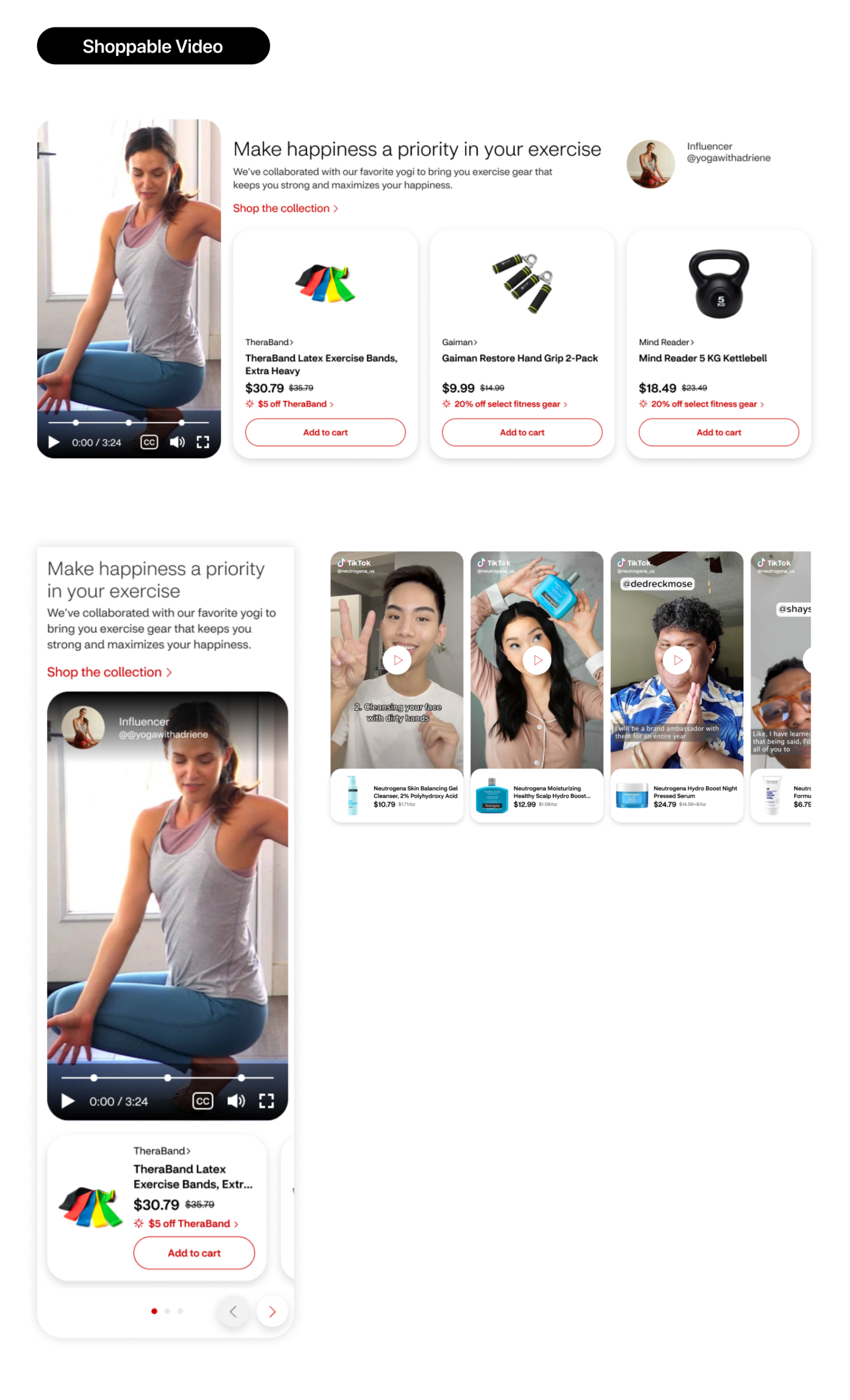
Underneath it: a 281-page style guide, an 87-component design system, and 20 page templates — delivered with a playbook so the CVS team could take the baton and keep building without us.
Outcomes & Legacy
Eight projects. Two years. One agency of record.
For shoppers, the platform delivered something more personal, more curated, and considerably easier to move through. For CVS, it delivered something more durable: the ability to grow without starting over every time.
8 subsequent projects. The work earned Razorfish the role of CVS’s digital agency of record.
2+ year engagement. The relationship has continued well past the original scope — built on trust, earned in delivery.
The clearest measure of the system we built is that it outlasted the project that created it. That was always the point.